Rosie: The Handwritten Font That Builds Trust for Small Businesses
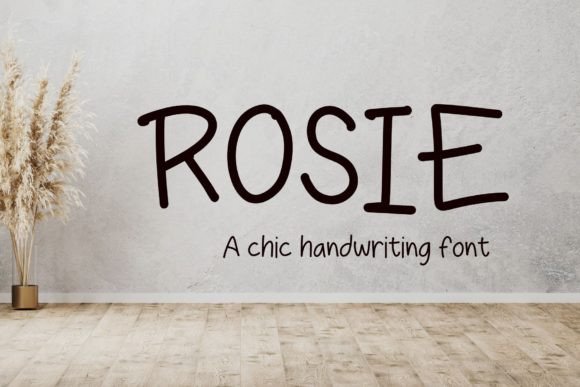
Running a small business means wearing many hats, from managing inventory to handling customer service. But one of the most overlooked yet critical aspects of your daily operations is how your brand looks. When you are selling handmade goods, running a boutique, or offering creative services, your visual identity is often the first thing a potential customer notices. It tells them who you are before they even read a single word. This is where Rosie, a sweet and friendly handwritten font, becomes an essential tool in your design toolkit. Unlike generic typefaces that feel cold or corporate, Rosie brings a natural and unique style that makes it incredibly fitting for a large pool of designs.
Why Personality Matters in Brand Identity
In today's crowded market, consistency is key to building a recognizable and trustworthy brand. Customers want to feel a connection with the businesses they support. A clean, professional look isn't just about being neat; it is about conveying warmth and approachability. Rosie captures this perfectly. Its script amp style mimics the fluid motion of real handwriting, which instantly humanizes your brand. Whether you are designing product labels for artisanal soaps, creating a menu for your café, or drafting thank-you cards for online orders, this font adds a personal touch that mass-produced templates simply cannot match.
When you use a font like Rosie, you are telling your audience that there is a real person behind the logo. This psychological connection fosters trust. For instance, if you own a bakery, seeing "Fresh Sourdough" written in a stiff, robotic font feels impersonal. However, when those words flow across your packaging in Rosie, it suggests care, craft, and attention to detail. This alignment between your visual style and your business values is what turns casual browsers into loyal customers.
Practical Applications Across Your Business Touchpoints
The versatility of Rosie makes it suitable for almost every aspect of your marketing and branding efforts. Because its natural style fits a wide range of aesthetics, you can maintain a cohesive look without forcing your designs to look identical. Here is how you can integrate this premium font into your daily workflow:
- Logo Design: Use Rosie as the primary display font for your logo. Its unique strokes can create a memorable mark that stands out on social media avatars and website headers.
- Packaging and Labels: For handmade products like candles, jewelry, or food items, Rosie works beautifully on product labels. It adds a boutique feel that elevates the perceived value of your item.
- Social Media Graphics: Create eye-catching Instagram posts and Pinterest pins by using Rosie for headlines. Pair it with high-quality photos to draw attention to your latest offers or blog posts.
- Digital Marketing: Use this creative font in email newsletters, website banners, and digital ads to break up text and highlight special promotions.
- Printed Materials: From flyers and business cards to menus and event invitations, Rosie ensures your printed collateral feels elegant and thoughtfully designed.
Readability and Real-World Performance
While decorative fonts can sometimes sacrifice readability for style, Rosie strikes a careful balance. It remains legible enough for short phrases, headlines, and accents while retaining its handwritten charm. However, practicality is paramount for a business owner. You need to ensure your message gets across clearly on mobile screens, where space is limited, and on small product tags where ink might bleed slightly.
For body text in documents or long descriptions on a website, it is best to pair Rosie with a clean sans serif font or a highly readable serif font. This combination creates a strong hierarchy. Use Rosie to grab attention with titles and logos, then switch to a neutral typeface for detailed information like pricing, ingredients, or contact details. This approach ensures that your brand looks professional and accessible, not cluttered or difficult to read.
Effective Font Pairing Strategies
One of the secrets to modern typography is knowing when to let a font shine and when to step back. Since Rosie is an expressive script font, it should generally be used as a headline or accent rather than a supporting typeface for long paragraphs. To make your designs pop, try pairing Rosie with a minimalist sans serif font like Helvetica or Open Sans. The contrast between the flowing curves of Rosie and the straight lines of a geometric sans serif creates a dynamic and balanced composition.
Alternatively, if you want a more classic, vintage vibe, pair Rosie with a traditional serif font. This combination works exceptionally well for wedding planners, bridal boutiques, or tea shops. The key is to keep the pairing simple. Too many competing styles can confuse your audience and dilute your brand identity. Stick to two fonts max: one for impact (Rosie) and one for clarity (your secondary choice).
Testing Before You Commit
Before applying Rosie across your entire brand identity, it is wise to test it in various contexts. Typography is subjective, and what looks good on a computer screen might behave differently when printed on textured paper or viewed on a smartphone thumbnail. Create a mock-up of your actual business materials, such as a sample product label or a social media post, using the font. Print it out if possible to check for legibility issues.
Ask yourself: Does this font reflect my brand's voice? Is it easy to read at a glance? Does it look consistent across different backgrounds? By testing these scenarios, you can avoid costly redesigns later and ensure that your investment in this typeface pays off in a stronger, more cohesive brand presence.
Licensing and Commercial Use
As a small business owner, protecting your intellectual property and respecting the rights of designers is crucial. Before you start using Rosie on commercial products, packaging, templates, merchandise, or client work, you must verify the licensing terms. Some fonts are free for personal use only, while others require a commercial license for business applications. Always check the specific terms provided by the font creator or distributor.
Ensuring you have the proper commercial font license allows you to use Rosie confidently in your digital downloads, physical goods, and advertising campaigns without legal worries. This due diligence is part of running a responsible and sustainable business. Once you have secured the right permissions, you can fully leverage the power of this script font to enhance your brand's visual appeal.
Ultimately, the right font can transform a generic business into a memorable brand. Rosie offers a sweet and friendly handwritten style that helps you connect with your customers on a deeper level. By integrating this unique typeface into your logos, packaging, and marketing materials, you create a consistent and professional image that resonates with your target audience. Let your imagination guide you, and watch as your brand identity comes to life with the natural charm of Rosie.